Thriving in Altitude: Understanding Alpine Zone Adaptation Examples
The world's most spectacular landscapes are found above the tree line, where the rugged peaks of mountains meet the elements in a battle of adaptation. Alpine zones, characterized by harsh climate conditions, extreme weather, and limited vegetation, pose significant challenges to life as we know it. However, nature has a way of surprising us – from towering mountainous evergreen forests to vibrant, short-statured alpine meadows, the alpine zone is home to an astonishing variety of plant and animal species, all of which have adapted to the high altitude in unique ways.
Plant Adaptations: Small but Mighty
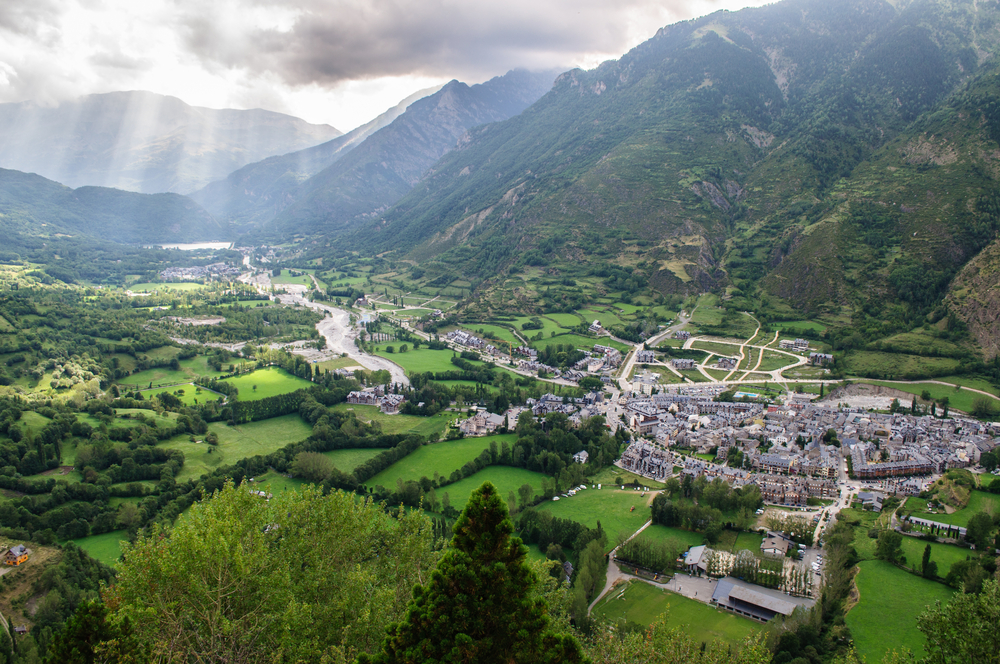
When we think of alpine plants, images of hardy, low-growing shrubs and grasses come to mind. These species have evolved to maximize sun exposure, minimize water loss, and store as much energy as possible during the short summer season. The photo above shows a vibrant cluster of blooming flowers, such as gentians (Gentiana spp.) and alpines (Androsace spp.), which thrive in the challenging environment of Benasque, in the Spanish Pyrenees.
Examples of exceptional adaptation can be seen in the remarkable ability of mountain plants to store water and nutrients, often in the form of rhizomes, bulbs, or succulent leaves. Such adaptations enable them to survive prolonged periods of drought and frost, making them some of the most resilient plants on Earth.
Animal Adaptations: Specializations for Survival
Animals living in the alpine zone have developed a range of specialized features to cope with the extreme conditions. Short wingspans, thick fur, and compact body shapes are common adaptations in alpine animals, such as ptarmigan (Lagopus muta) and ibex (Capra ibex). These characteristics not only help them conserve energy but also enhance their ability to navigate and maneuver through the challenging alpine terrain.
For example, the snowshoe hare (Lepus americanus) has fur that changes color with the seasons to blend with its snowy surroundings, reducing predation risk. This remarkable physiological adaptation allows the hare to thrive in areas where other mammals might struggle to survive.
Conservation Implications
The high-altitude ecosystem plays a crucial role in regulating the Earth's climate, influencing global weather patterns, and supporting essential ecosystem services. However, human activities such as mining, ski resorts, and infrastructure development pose significant threats to these ecosystems, threatening the very resilience of alpine plant and animal species.
Understanding alpine zone adaptation examples and their implications can inform conservation efforts and management practices, ensuring the long-term preservation of these precious ecosystems. By recognizing the remarkable adaptations of life in the high-altitude environment, we can better protect and appreciate the awe-inspiring diversity of species that call the alpine zone home.