Understanding the Starfield Heavy Particle Fuse ID: Context, Use Cases, and Selection Tips
For seasoned modders and avid explorers of Bethesda’s Starfield, the heavy particle fuse ID has become a frequently referenced identifier when planning high‑impact weapon builds. This identifier marks a specific class of fuses that can sustain extreme energy outputs, making them critical for missions that demand sustained firepower or for crafting gear that thrives in the game's most hazardous environments.
Why the Heavy Particle Fuse Matters in Starfield
The fuse system in Starfield operates as the backbone of the game’s weapon energy management. Among the various fuse types, the heavy particle variant stands out because of its superior tolerance to plasma spikes and its capacity to deliver consistent damage over longer engagements. This resilience is especially valuable in deep‑space combat zones where enemy fire can overload standard fuses within seconds.
Understanding the heavy particle fuse ID enables players to pinpoint the exact component needed for specific weapon schematics, bypassing generic crafting routes that may result in sub‑optimal performance. In practical terms, recognizing this ID is the first step toward assembling a weapon capable of slicing through heavily armored alien vessels without overheating.
Typical Scenarios Where the ID Is Essential
High‑Intensity Mining Operations
- When extracting rare ores from volatile asteroids, the mining laser’s fuse must endure repeated energy surges. Selecting the heavy particle fuse ID ensures the tool can maintain peak output without premature failure.
- Modders often replace the default fuse with a heavy particle variant to increase overall extraction efficiency, reducing downtime between mining cycles.
Combat‑Heavy Exploration Missions
- Players venturing into contested sectors—such as the Kessel Rift—rely on weapons that can fire continuously without overheating. The heavy particle fuse ID is a prerequisite for any weapon configuration meant to sustain a barrage of plasma rounds.
- In fleet engagements, swapping out the standard fuse for the heavy particle type can extend a ship’s firing window, giving crews the tactical edge needed to outmaneuver enemy squadrons.
Advanced Crafting and Modding Projects
- Community‑crafted weapon mods frequently list the heavy particle fuse ID as a required component. Knowing the ID helps hobbyists source the correct parts from in‑game vendors or through salvage.
- When experimenting with hybrid weapon builds—combining kinetic and plasma damage—the heavy particle fuse acts as the stabilizing element that prevents energy feedback loops.
Choosing the Right Fuse: Selection Criteria
Not every heavy particle fuse is created equal. Experienced players should evaluate a few key factors before committing resources:
- Energy Capacity: Verify the fuse’s maximum energy threshold. Fuses with higher thresholds can support more powerful weapon modules.
- Durability Rating: Look for durability scores above 80% in the item’s stat sheet; this indicates longer lifespan under continuous fire.
- Compatibility Matrix: Cross‑reference the fuse ID with your target weapon’s schematic. Some ships only accept specific variants, and mismatched IDs can cause build failures.
- Acquisition Cost: Heavy particle fuses often command a premium in trade hubs. Assess whether the performance boost justifies the expense, especially if you have other high‑value upgrades competing for the same resources.
Implications for Future Gameplay and Community Development
As Bethesda continues to release patches and expansion packs, the heavy particle fuse ID is likely to retain its relevance, shaping both official updates and community‑driven content. Modders who master this identifier can influence the meta by designing weapons that push the envelope of what’s considered viable in extreme combat scenarios. Moreover, the ID serves as a benchmark for upcoming DLCs, where new enemy types may require even more robust energy management solutions.
In the near term, keeping a stockpile of heavy particle fuses—identified by their precise ID—offers a strategic advantage. Whether you’re mining precious resources, engaging in fleet battles, or fine‑tuning a custom weapon, the right fuse ensures performance remains uncompromised. For the experienced hobbyist, mastering the nuances of the heavy particle fuse ID is a small but decisive step toward mastering Starfield’s most demanding challenges.
How To Dispose Of VHS Tapes Properly? - DisposeOfThings.com
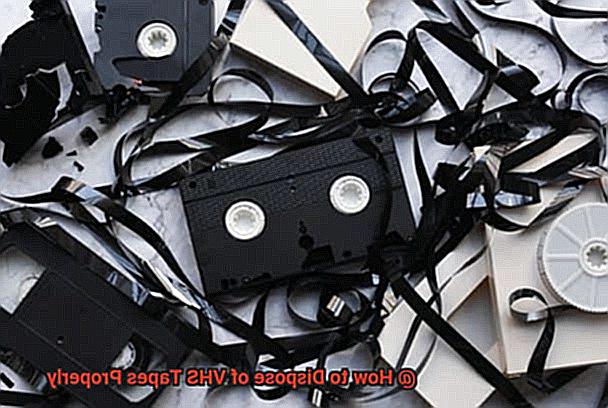
How to Dispose of VHS Tapes Properly? - DisposeOfThings.com