Why the Tiger Woods Putter Face Matters for Your Putting Stroke
The putter face is where precision meets feel, and Tiger Woods has long treated it as the foundation of his short-game dominance. Whether you’re a weekend golfer or an aspiring competitor, the way your putter face interacts with the ball at impact can turn a shaky three-putt into a confident birdie. Small changes in face angle, loft, or contact can mean the difference between a ball that rolls true and one that veers off line. Understanding how the putter face behaves—especially in models inspired by Woods’ setup—can help you diagnose why putts break the way they do and how to adjust your stroke accordingly.
How the Putter Face Influences Roll and Direction
The putter face isn’t just a flat surface; it’s the first point of contact that dictates how energy transfers to the ball. A face that’s slightly open or closed at impact can send the ball on an unintended path, even if your stroke feels smooth. Woods’ signature Scotty Cameron putters, for example, often feature a milled face that promotes consistent ball speed and a truer roll. The milling creates tiny grooves that reduce skid, helping the ball launch with less bounce and more forward momentum. If your putts are dying out or jumping offline, check your face angle—it might be the culprit.
Another factor is loft. Most putters hover between 3° and 4° of loft, but even a half-degree difference can alter how the ball climbs the face. A putter with too little loft may cause the ball to hop, while too much can lead to excessive topspin and inconsistent distance control. Woods typically uses a putter with a slight upward strike, which helps maintain forward roll without overcomplicating the stroke. If you’re struggling with distance control, experiment with your setup: a putter with a face-balanced design might simplify alignment, while a toe-hang model can encourage a slight arc in your stroke.
Common Missteps and How to Fix Them
- Inconsistent face contact: If you’re hitting putts off the toe or heel, your face angle is likely skewed. Rotate your grip slightly or check your posture to ensure the putter hangs naturally.
- Overactive wrists: A flick at impact can twist the face open or closed. Focus on keeping your wrists firm through impact, using your shoulders to drive the stroke.
- Ignoring green speed: A putter face designed for fast greens (like those Woods uses on tour) may struggle on slower surfaces. Adjust your stroke length, not force, to match the conditions.
Putter Face Technology: What’s Worth Your Attention
Modern putter faces incorporate materials and designs that optimize energy transfer. Inserts made from polyurethane or aluminum can soften feel and reduce vibration, while heavier heads (like those in mallet putters) add stability for longer strokes. Woods’ preference for a milled face highlights a key principle: consistency over gimmicks. If you’re in the market for a new putter, prioritize models with a face that matches your stroke type—whether that’s a blade for precision or a mallet for forgiveness.
One often-overlooked detail is the milling pattern. Some putters feature horizontal grooves, while others use a single deep channel. The goal is to reduce friction and promote a cleaner strike. If you’re testing putters, pay attention to how the face feels on off-center hits. A forgiving face will keep the ball on line even if your contact isn’t perfect.
Practical Drills to Refine Your Putter Face Control
- Gate drill: Place two tees just wider than your putter head, then practice stroking putts without touching them. This trains you to keep the face square through impact.
- Towel test: Lay a towel a few feet from the hole and try to roll putts over it without stopping. This encourages a smooth acceleration and consistent face angle.
- Alignment sticks: Lay two sticks parallel to your target line, then position your putter so the face is square to them. This visual aid helps eliminate guesswork in setup.
When to Consider a Change
If you’ve tried adjusting your stroke but still struggle with direction or distance, it might be time to evaluate your putter. A face that’s worn down or a head that’s too light can undermine even the best technique. Look for a putter with a face that complements your natural stroke—whether that’s a slight arc or a straight-back, straight-through path. And remember: the best putter face won’t fix a flawed stroke, but it can make your good strokes even better.

Block, Lunge, Jab Tackling | Hockey Training

tackling jab hockey tackle block lunge training drills
LEARN TO REVERSE BLOCK TACKLE - FIELD HOCKEY TECHNIQUE - YouTube

tackle hockey reverse technique
Forehand Block Tackle Tutorial | Hockey Heroes TV - YouTube
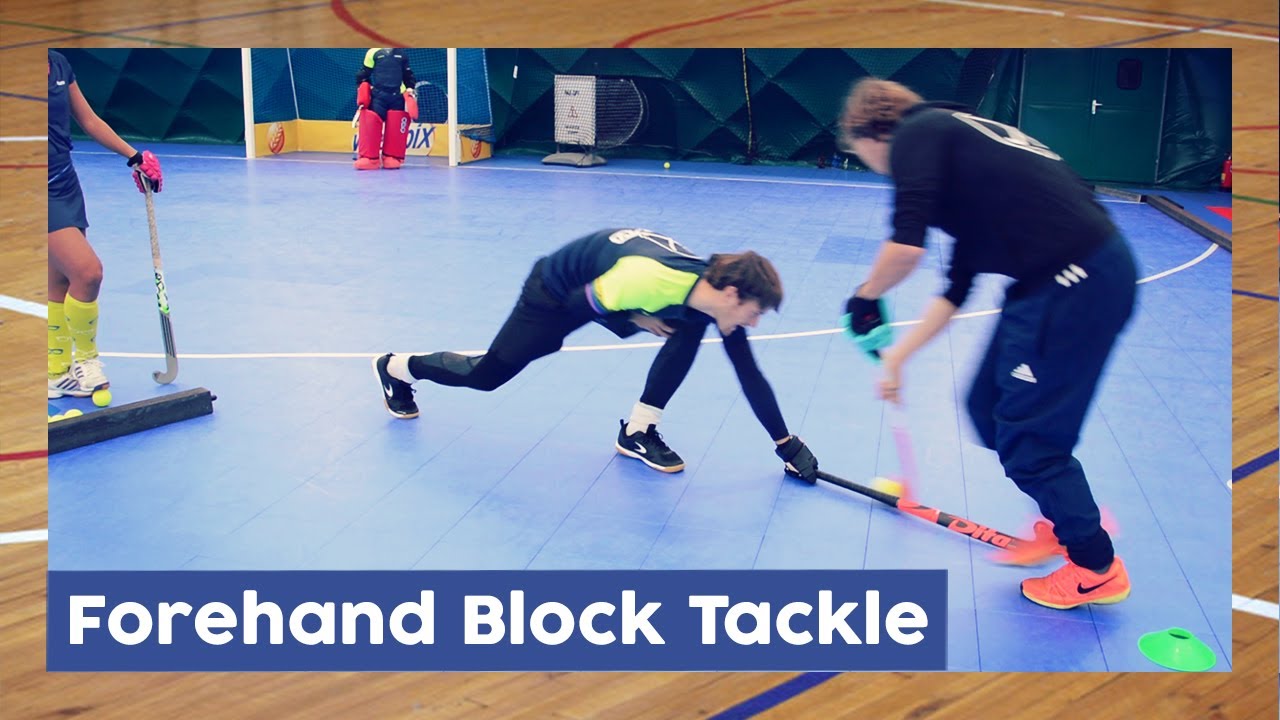
hockey block tackle
BBC SPORT | Other Sport... | Hockey | The Block Tackle

tackle hockey block stick bbc