Streamlining USPS First-Class Mail Packages: Precision Tools and Practical Insights
For businesses and individuals relying on USPS First-Class Mail for shipping, precision in packaging can mean the difference between timely deliveries and avoidable delays. While the service handles items up to 13 oz and 228.6 mm (9 in) in length, subtle nuances in dimensions and weight often determine cost-efficiency. Proper tools, like sliding calipers, help ensure compliance with USPS guidelines while balancing practicality and budget constraints.
Why Precision Matters in USPS First-Class Packaging
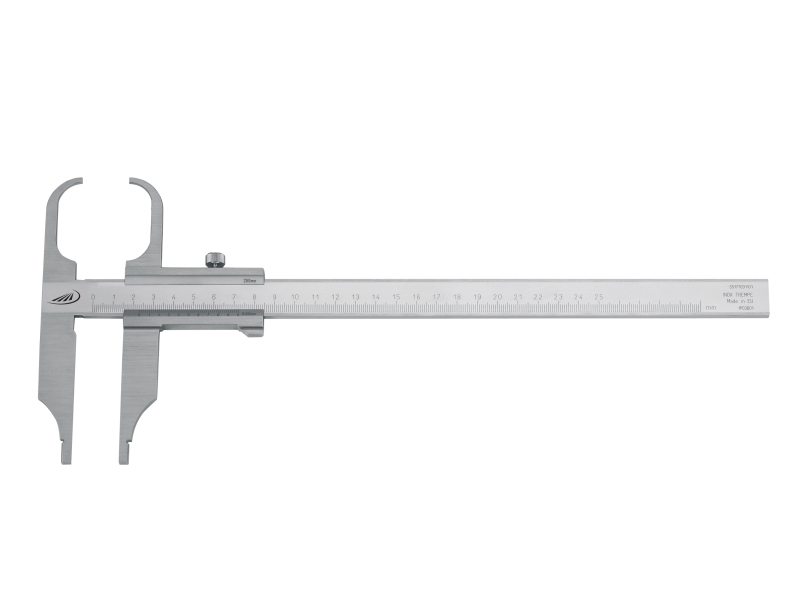
USPS First-Class Mail is ideal for lightweight parcels, offering a streamlined, cost-effective solution compared to Priority Mail. However, packages exceeding size or weight limits face surcharges or rejection. For example, a rectangular package must have a combined length and girth (largest cross-section) of at least 15 inches but no more than 119 inches for First-Class eligibility. A sliding caliper, such as the 0–250 mm model with 75 mm depth measurement pictured below, offers a reliable way to verify dimensions beyond visual estimation.
Cost vs. Accuracy: Choosing the Right Tools
While manual rulers remain common, they introduce variability. Calipers provide repeatable accuracy, especially for irregularly shaped items, reducing the risk of oversized packaging. The 75 mm depth capacity of certain models suits typical First-Class envelopes and small boxes, though shippers of larger items may need extended-range tools. For most users, a mid-range digital caliper costs $20–$50, a minor investment compared to potential shipping penalties for inconsistent measurements.
Realistic Expectations for First-Class Shippers
- Pros: Calipers ensure compliance, minimizing unexpected fees or delivery delays. They also help optimize box sizes, lowering material costs.
- Trade-Offs: Digital tools require battery life, and physical measurements don’t account for material thickness. USPS rounds measurements to the nearest quarter-inch, so slight discrepancies are inevitable.
- Best Practice: Cross-check caliper readings with USPS’s dimensional calculator (available online) to account for packaging padding or irregular contents.
For one-time shippers, renting tools or using postal service free pre-printed boxes may suffice. Frequent senders benefit from investing in quality calipers, particularly when shipping electronics, jewelry, or other compact, high-value items.
Beyond the Tool: Understanding USPS Variability
Even with precise measurements, factors like regional processing times or seasonal volume spikes can affect delivery windows. USPS guarantees 2–3 days for most First-Class Mail within the contiguous U.S., but this excludes weekends or holidays. Tracking, while optional, is recommended for time-sensitive shipments to monitor progress and receive alerts about potential holds.
Conclusion: Balancing Efficiency and Realism
Measuring tools like sliding calipers are just one part of a broader strategy for effective USPS shipping. By aligning package dimensions with service requirements and accounting for real-world logistics, senders can minimize stress and optimize costs. For the latest on USPS rate adjustments or size restrictions, check the official FAQ section or consult with local post office staff for localized guidance.